
A Neighborhood Rooted in History
Nestled among the rolling hills and tree-lined streets of southern Newton, Oak Hill Park is more than just a residential enclave—it’s a testament to community resilience, historical significance, and a spirit that endures through generations. As one of Newton’s post-World War II neighborhoods, Oak Hill Park brims with stories of transformation, growth, and shared heritage.
The Origins of Oak Hill Park
The story of Oak Hill Park begins during a pivotal moment in American history: the end of World War II. In the late 1940s, the United States faced an urgent need to provide housing for returning veterans and their young families. Newton, with its reputation as a welcoming suburban city, became part of a nationwide solution.
The city acquired the Oak Hill farmland, previously dotted with orchards and pastures, to construct a planned neighborhood designed for veterans. The area’s name—Oak Hill—comes from the gentle, oak-covered hills that shaped the landscape, while “Park” was added to emphasize the planned community’s open, family-oriented nature.
Building a New Community
The construction of Oak Hill Park began in 1946, transforming farmland along streets like Spiers Road, Paulson Road, and Oak Hill Park Road into a bustling neighborhood almost overnight. Small, single-story Cape Cod and ranch-style houses sprang up, offering affordable, functional homes for servicemen and their families. The U.S. government offered financial assistance, and the homes—initially 413 in total—became a symbol of hope and new beginnings.
At its heart, the neighborhood was more than just a housing development. Community spaces and green areas, such as Balbrae Road Park and Oak Hill Park Playground, were built into the plan, creating places where children could play and neighbors could connect.
Milestones That Shaped Oak Hill Park
Over the decades, Oak Hill Park has evolved, experiencing key milestones that have shaped its character:
- 1950s–1970s: Flourishing Families
In the postwar decades, Oak Hill Park thrived as a close-knit, self-contained neighborhood. Children attended local schools like the newly constructed Oak Hill Middle School on Wheeler Road, while families gathered at parks and places of worship such as Temple Beth Avodah.
- 1980s–1990s: Modernization and Growth
As the neighborhood’s original residents aged, Oak Hill Park underwent a generational shift. Many original homes—once prized for their simplicity—began to be renovated or expanded to meet modern needs. The area maintained its strong sense of community even as new families moved in, and Oak Hill Park’s diverse population grew.
- 2000s–Present: Heritage Preserved, Future Embraced
Today, Oak Hill Park retains much of its original postwar charm, even as newer, larger homes have appeared on familiar streets. Many homeowners have chosen to preserve the original architecture, while others have added second stories or contemporary touches. The neighborhood’s commitment to community is reflected in active neighborhood associations that oversee holiday events, block parties, and preservation efforts.
Notable Landmarks and Institutions
While Oak Hill Park is primarily residential, several landmarks and institutions hold special meaning for residents:
- Oak Hill Middle School
Located at 130 Wheeler Road, this school is a cornerstone of the neighborhood, serving generations of Oak Hill Park students and acting as a hub for community events.
- Oak Hill Park Playground & Open Spaces
Residents cherish the leafy playground and park at the heart of the neighborhood. With walking paths, play structures, and open fields for sports and gatherings, these green spaces make Oak Hill Park especially family-friendly.
- Temple Beth Avodah
This enduring center of Jewish community life brings together families from across Newton and remains a symbol of the neighborhood’s diversity and inclusivity.
- Connections to City Life
Oak Hill Park’s location offers easy access to Newton Centre, with its quaint shops and restaurants, and to major routes like Route 9, connecting residents to Boston and beyond. Yet within Oak Hill Park’s boundaries, a quiet, almost village-like feel endures.
The Changing Face of Oak Hill Park
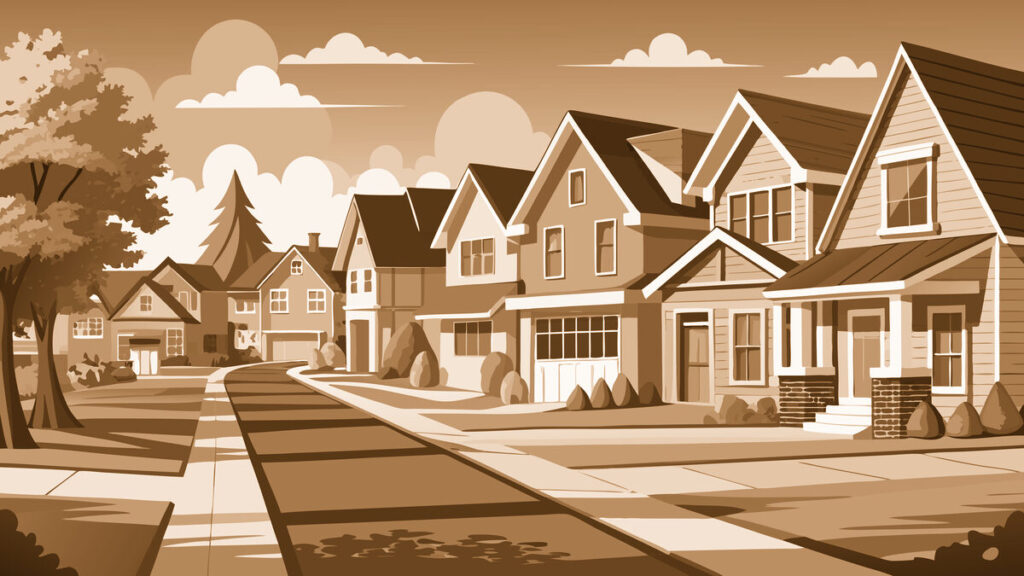
Walk along streets like Solon Road, Algonquin Road, or Paulson Road, and you’ll see a tapestry of homes—some lovingly preserved and others reimagined for 21st-century living. Despite these changes, longtime and new residents alike share a commitment to the neighborhood’s welcoming culture. Community traditions, from Halloween parades to spring block parties, help maintain the neighborly spirit that first took root over seventy years ago.
One of the neighborhood’s most treasured features is its accessibility. Wide sidewalks and gentle hills invite morning joggers, cyclists, and children on their way to school. Mature oak and maple trees create a lush canopy—a living reminder of the land’s pastoral heritage.
What Makes Oak Hill Park Special
For those who call it home, Oak Hill Park is more than a place on the map—it’s a living piece of Newton history. Its story is still being written, shaped by families who value connection, heritage, and the balance of tradition and progress.
Warm, welcoming, and ever-evolving, Oak Hill Park remains a symbol of what’s best about Newton: a city that honors its past while looking to the future, where neighbors still know each other’s names and every street holds memories waiting to be made.